Mountain Gorilla Trekking in Rwanda

Mountain Gorilla Trekking in Rwanda is one of the most extraordinary wildlife experiences in Africa, offering the rare opportunity to come face-to-face with one of the world’s most endangered primates. Hidden within the lush forests of Volcanoes National Park, mountain gorillas live peacefully among the bamboo-covered slopes of the Virunga Mountains, where every trek promises an unforgettable encounter with these gentle giants. Standing just a few metres away as a silverback watches over his family or a playful infant tumbles through the vegetation is a humbling experience that leaves a lasting impression on every visitor.

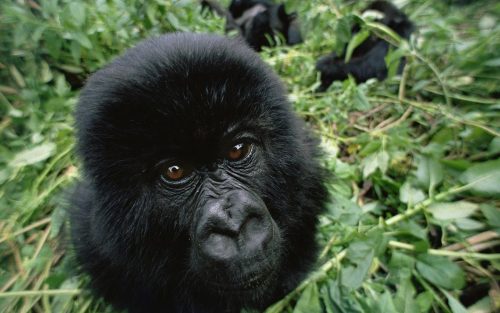
Mountain gorilla during the 3 Day Rwanda Gorilla & Golden Monkey Trekking Tour in Volcanoes National Park

A family of mountain gorillas in Volcanoes National Park — the highlight of Rwanda’s gorilla tracking safaris.

Rwanda has earned a global reputation as one of the best destinations for gorilla trekking, thanks to its remarkable conservation efforts, excellent tourism infrastructure, and the convenience of reaching the park from Kigali in just a few hours. Whether you are planning a dedicated gorilla safari or combining Rwanda with a wildlife adventure in Uganda, Outback Adventure Safaris takes care of every detail, from securing gorilla permits and arranging accommodation to providing comfortable transport and experienced safari guides, allowing you to focus on the adventure ahead.

Why Choose Mountain Gorilla Trekking in Rwanda?

There are only three countries in the world where mountain gorillas can be seen in their natural habitat, and Rwanda is among the most accessible. One of the biggest advantages of Mountain Gorilla Trekking in Rwanda is the short journey from Kigali International Airport to Volcanoes National Park. Unlike many safari destinations that require lengthy domestic flights or all-day drives, visitors can reach the park in approximately two and a half hours, making Rwanda an excellent choice even for travellers with limited time.

Beyond its accessibility, Rwanda has become a global leader in wildlife conservation. Revenue generated from gorilla permits contributes directly to protecting mountain gorillas, preserving their habitat, and supporting surrounding communities through education, healthcare, and sustainable development projects. Every visitor who books a gorilla trek contributes to the long-term survival of this endangered species while helping local communities benefit from responsible tourism.

The country is also known for its well-organised tourism industry. From knowledgeable park rangers and professional trackers to world-class lodges nestled near the park, every aspect of the experience has been designed to ensure visitors enjoy a safe, comfortable, and unforgettable journey into the rainforest.

Where Does Mountain Gorilla Trekking in Rwanda Take Place?

All Mountain Gorilla Trekking in Rwanda takes place in the spectacular Volcanoes National Park, located in the north-western corner of the country along the Virunga Mountain Range. Covering approximately 160 square kilometres, the park protects dense afro-montane rainforest, bamboo forests, open grasslands, and volcanic slopes that provide an ideal habitat for mountain gorillas and a wide variety of other wildlife.

Volcanoes National Park is home to several habituated gorilla families that can be visited by tourists under the guidance of experienced park rangers. Besides gorillas, the park is also famous for golden monkeys, numerous Albertine Rift endemic birds, forest mammals, and breathtaking scenery dominated by five extinct volcanoes. Before or after your trek, you may also consider exploring other attractions in Rwanda, including Kigali City, Lake Kivu, or Nyungwe Forest National Park, making your holiday even more rewarding.

What to Expect During Mountain Gorilla Trekking in Rwanda

Your gorilla trekking adventure begins early in the morning at the Kinigi Park Headquarters, where all visitors gather for a briefing by the Rwanda Development Board rangers. During this session, you’ll learn about gorilla behaviour, conservation efforts, trekking guidelines, and important safety procedures that help protect both visitors and the gorillas. The rangers then assign each group to a specific habituated gorilla family, taking into consideration the fitness levels of participants whenever possible.

Once the briefing is complete, your guide leads the group into the forest in search of your assigned gorilla family. The duration of the trek varies depending on the movement of the gorillas and can take anywhere from one to six hours. Along the way, the hike itself becomes part of the adventure as you pass through bamboo forests, dense vegetation, and scenic mountain trails while enjoying spectacular views of the Virunga Volcanoes.

The most rewarding moment comes when the trackers quietly signal that the gorillas have been located. From this point, visitors carefully approach the family while maintaining the recommended viewing distance. You are then allowed to spend one unforgettable hour observing the gorillas as they feed, groom one another, care for their young, or simply relax in the forest. Watching a dominant silverback calmly oversee his family or seeing curious youngsters play among the vegetation offers a rare glimpse into the daily lives of these incredible primates. Photography is permitted, provided flash is not used, allowing you to capture memories that will last a lifetime.

After the trek, visitors return to the park headquarters, where they receive an official gorilla trekking certificate as a reminder of this once-in-a-lifetime experience.

Gorilla Trekking Permit Costs in Rwanda

A valid gorilla permit is required for anyone wishing to participate in Mountain Gorilla Trekking in Rwanda. Currently, permits cost USD 1,500 for Foreign Non-Residents, USD 500 for Foreign Residents in Africa, and USD 200 for East African Citizens. The permit includes park entrance fees, professional ranger guides, armed security, experienced trackers, and one full hour with a habituated gorilla family.

To minimise disturbance to the gorillas, only eight visitors are allowed to visit each gorilla family per day. This limited number means permits often sell out several months in advance, especially during the peak travel seasons. At Outback Adventure Safaris, we secure your permits on your behalf and coordinate all the necessary arrangements to ensure your preferred travel dates are confirmed whenever possible.

Best Time for Mountain Gorilla Trekking in Rwanda

One of the advantages of visiting Rwanda is that gorilla trekking takes place throughout the year. However, many travellers prefer the dry seasons, which run from June to September and December to February. During these months, forest trails are generally less muddy, hiking conditions are more comfortable, and clear skies provide excellent opportunities for photography.

The rainy seasons, from March to May and October to November, also offer their own unique appeal. The forest becomes incredibly lush and vibrant, visitor numbers are generally lower, and accommodation availability is often better. Although the trails can be more challenging due to mud, gorilla sightings remain equally rewarding because the gorillas stay within the park all year round.

How Difficult is Mountain Gorilla Trekking?

Many first-time visitors wonder whether Mountain Gorilla Trekking in Rwanda requires exceptional physical fitness. While the hike can be moderately challenging due to steep terrain, uneven forest paths, and high altitudes ranging between 2,500 and 3,000 metres, most travellers with a reasonable level of fitness successfully complete the trek.

The length and difficulty of each trek depend largely on where the gorilla family is located on that particular day. Some groups may be found after a relatively short walk, while others require a longer hike through the forest. Hiring a local porter is highly recommended, as they help carry your backpack, provide assistance on difficult sections of the trail, and create valuable employment opportunities for nearby communities.

What Should You Pack for Gorilla Trekking?

Packing the right equipment will make your gorilla trekking experience much more comfortable. Waterproof hiking boots with good ankle support are essential, as forest trails can be muddy and slippery. Long trousers and long-sleeved shirts help protect against insects and thorny vegetation, while a lightweight waterproof jacket is useful because mountain weather can change quickly.

You should also carry drinking water, snacks, insect repellent, sunscreen, a hat, gardening gloves for gripping vegetation on steep slopes, and a camera with spare batteries. Neutral-coloured clothing is recommended, as it blends naturally with the forest environment and avoids attracting unnecessary attention from wildlife.

Plan Your Rwanda Gorilla Safari with Outback Adventure Safaris

Planning Mountain Gorilla Trekking in Rwanda involves much more than simply purchasing a permit. Choosing the right accommodation, arranging reliable transport, and ensuring your itinerary flows smoothly all contribute to an enjoyable and stress-free safari. At Outback Adventure Safaris, we specialise in creating tailor-made gorilla trekking holidays that match your interests, budget, and travel schedule.

Whether you are looking for a luxury lodge overlooking the Virunga Mountains, a comfortable mid-range safari, or a combined Rwanda Safari with Gorilla Trekking in Uganda, our experienced team will handle every detail. We can also help you extend your adventure with Golden Monkey Tracking, a visit to Kigali City, or a wildlife safari in Akagera National Park, allowing you to experience even more of Rwanda’s incredible natural beauty.

Book Your Mountain Gorilla Trekking Adventure Today

Mountain Gorilla Trekking in Rwanda is more than a safari activity—it’s an intimate encounter with one of nature’s greatest success stories. Every trek supports conservation, protects endangered mountain gorillas, and contributes to the livelihoods of communities living around Volcanoes National Park. Whether you’re celebrating a special occasion, ticking off a lifelong dream, or simply seeking an unforgettable wildlife experience, a gorilla trek in Rwanda is guaranteed to exceed your expectations.

Let Outback Adventure Safaris help you turn that dream into reality. From securing your gorilla permits and recommending the best lodges to arranging private transport and expertly planned itineraries, we’ll ensure every aspect of your journey is handled with care and professionalism. Contact us today to check permit availability, request a personalised safari quotation, and start planning your unforgettable Mountain Gorilla Trekking in Rwanda adventure.

Frequently Asked Questions About Mountain Gorilla Trekking in Rwanda

1. How much does mountain gorilla trekking cost in Rwanda?

A gorilla trekking permit in Rwanda costs USD $1,500 per person for foreign non-residents. The permit includes park entry, ranger guides, trackers, and one hour with a habituated gorilla family inside Volcanoes National Park.


2. Where does gorilla trekking take place in Rwanda?

Gorilla trekking takes place in Volcanoes National Park, located in northwestern Rwanda along the Virunga Mountain range, approximately 2.5 hours’ drive from Kigali.


3. How long does gorilla trekking take in Rwanda?

The trekking experience can take between 2 and 6 hours, depending on the location of the gorilla family. Visitors then spend exactly one hour observing the gorillas once they are found.


4. What is the minimum age for gorilla trekking in Rwanda?

The minimum age requirement for gorilla trekking in Rwanda is 15 years, as set by conservation authorities to ensure safety and responsible wildlife interaction.


5. Is gorilla trekking in Rwanda safe?

Yes. Gorilla trekking is considered very safe. Visitors are accompanied by trained ranger guides and trackers, and gorilla families are habituated to human presence under strict conservation regulations.


6. When is the best time to go gorilla trekking in Rwanda?

The best time for gorilla trekking is during the dry seasons:

  • June to September

  • December to February

These months offer easier hiking conditions and better photography opportunities.


7. Do I need to be physically fit for gorilla trekking?

A moderate level of fitness is recommended. Treks involve hiking through forest terrain, sometimes on steep or muddy trails, but rangers assign groups based on fitness ability.


8. How close can you get to mountain gorillas?

Visitors are required to maintain a distance of about 7 meters (23 feet) from the gorillas, although gorillas may sometimes move closer on their own.


9. How many people are allowed to visit a gorilla family per day?

Only eight visitors per gorilla family per day are permitted to minimize stress on the animals and protect their natural behavior.


10. How far in advance should I book a gorilla permit?

It is recommended to book permits 6 to 12 months in advance, especially during peak travel seasons when availability is limited.


11. What should I wear for gorilla trekking in Rwanda?

Recommended clothing includes:

  • Long trousers and long-sleeved shirts

  • Waterproof hiking boots

  • Rain jacket

  • Gardening gloves

  • Neutral-colored clothing


12. Can beginners do gorilla trekking?

Yes. Gorilla trekking is suitable for beginners with reasonable fitness levels, and porters are available to assist during the hike.


13. Is photography allowed during gorilla trekking?

Yes, photography is allowed, but flash photography is strictly prohibited to avoid disturbing the gorillas.


14. What is included in a Rwanda gorilla trekking permit?

The permit includes:

  • Park entrance fees

  • Professional ranger guides

  • Gorilla tracking experience

  • One hour with gorillas

  • Security during the trek


15. Can I combine Rwanda gorilla trekking with Uganda safaris?

Yes. Many travelers combine Rwanda gorilla trekking with Uganda safaris, including wildlife viewing, chimpanzee tracking, and cultural experiences.


16. What is the Kwita Izina ceremony in Rwanda?

Kwita Izina is Rwanda’s annual gorilla naming ceremony, where newborn gorillas are officially named. The event celebrates conservation success and promotes awareness of mountain gorilla protection.


17. Are mountain gorillas endangered?

Yes. Mountain gorillas are classified as endangered, with approximately 1,000 individuals remaining worldwide, making conservation-focused tourism essential for their survival.


18. What happens if I cannot complete the trek?

Rangers assign trekking groups according to fitness levels, and alternative arrangements may be considered if a visitor cannot continue. Hiring a porter greatly improves trekking comfort.


19. What wildlife can I see besides gorillas?

Visitors may also encounter:

  • Golden monkeys

  • Forest birds

  • Unique plant species

  • Other primates within Volcanoes National Park


20. Why is Rwanda gorilla trekking expensive?

Permit fees fund conservation programs, ranger salaries, habitat protection, veterinary care, and community development projects surrounding the park.


21. Can gorilla trekking be done year-round?

Yes. Gorilla trekking operates throughout the year, although rainy seasons may involve muddier trails and longer hiking times.


22. How do I book a gorilla trekking safari in Rwanda?

You can book through a licensed tour operator like Outback Adventure Safaris, which handles permits, accommodation, transport, and itinerary planning for a smooth experience.