Mgahinga National Park
Home / Top Safari Destinations in Uganda & Rwanda /Mgahinga Gorilla National Park
Mgahinga Gorilla National Park is Uganda’s smallest national park, but it delivers one of the country’s most extraordinary safari experiences. Located in the far southwest of Uganda within the breathtaking Virunga Mountains, the park is famous for mountain gorilla trekking, golden monkey tracking, volcano hiking, exceptional bird watching, and immersive Batwa cultural encounters.
Despite covering just 33.7 square kilometres, the park protects a remarkable diversity of wildlife and landscapes. Dense bamboo forests, Afro-montane woodlands, volcanic slopes, and alpine vegetation provide a sanctuary for endangered mountain gorillas, playful golden monkeys, and more than 180 bird species. As part of the greater Virunga Conservation Area, Mgahinga plays a vital role in conserving one of the world’s most important mountain gorilla habitats.
Why Visit Mgahinga Gorilla National Park?
Every visitor discovers something unique in Mgahinga. Whether you are an avid wildlife enthusiast, an adventurous hiker, a passionate birder, or a cultural explorer, the park offers unforgettable experiences in one compact destination.
Trek Endangered Mountain Gorillas
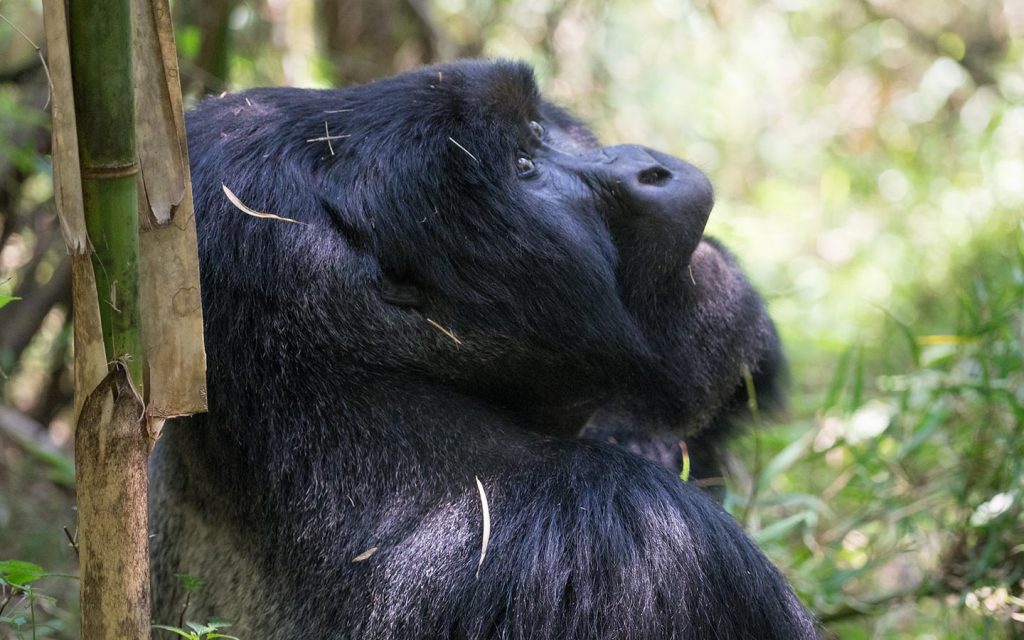
Meeting a mountain gorilla family in its natural habitat is the highlight of any visit. Guided by experienced rangers, you’ll hike through lush forests before spending a memorable hour observing these gentle giants up close.
Track Rare Golden Monkeys
Mgahinga is the only national park in Uganda where visitors can enjoy both gorilla trekking and golden monkey tracking. Watching these energetic and colourful primates leap through the bamboo forest is an experience found in very few places on Earth.
Climb the Virunga Volcanoes
Adventure seekers can hike the park’s three spectacular volcanoes—Mount Muhabura, Mount Gahinga, and Mount Sabyinyo. Each offers rewarding views, unique vegetation zones, and the chance to stand at the meeting point of Uganda, Rwanda, and the Democratic Republic of the Congo.
Experience Batwa Culture
Discover the traditions of the Batwa people, the original inhabitants of the forest. Guided cultural walks introduce visitors to their history, traditional hunting techniques, medicinal plants, music, and way of life before the forest became a protected area.
Enjoy Bird Watching and Nature Walks
Home to many Albertine Rift endemic bird species, Mgahinga is a rewarding destination for birders and nature lovers. Guided forest walks reveal colourful birds, unique plants, butterflies, and breathtaking views of the surrounding volcanoes.
Whether you visit for a day or include the park in a longer Uganda safari, Mgahinga Gorilla National Park offers an unforgettable combination of wildlife, adventure, culture, and spectacular mountain scenery. At Outback Adventure Safaris, we create tailor-made itineraries that allow you to experience the very best this remarkable destination has to offer.
Location, Size and History of Mgahinga Gorilla National Park
Mgahinga Gorilla National Park is located in Kisoro District in southwestern Uganda, approximately 510 kilometres from Kampala. The park lies within the magnificent Virunga Mountains, a chain of extinct and dormant volcanoes that stretches across Uganda, Rwanda, and the Democratic Republic of the Congo.
Although it covers only 33.7 square kilometres (13 square miles), Mgahinga Gorilla National Park protects one of the most biologically significant ecosystems in East Africa. Its high-altitude forests, bamboo zones, wetlands, and volcanic slopes provide a safe haven for endangered wildlife while offering visitors some of the most spectacular mountain scenery in Uganda.
Part of the Greater Virunga Conservation Area
Mgahinga Gorilla National Park forms part of the internationally recognised Virunga Conservation Area (VCA), a transboundary conservation landscape shared by Uganda, Rwanda, and the Democratic Republic of the Congo.
Together with Bwindi Impenetrable National Park, Volcanoes National Park in Rwanda, and Virunga National Park in the Democratic Republic of the Congo, Mgahinga plays a crucial role in protecting the world’s remaining mountain gorillas. Wildlife moves freely across these protected areas, making regional conservation efforts essential for the survival of many endangered species.
The Three Virunga Volcanoes
One of the park’s most distinctive features is its dramatic volcanic landscape. Three extinct volcanoes dominate the skyline and attract hikers from around the world.
Mount Muhabura
Rising to 4,127 metres, Mount Muhabura is the highest peak within the park. Its challenging hiking trail rewards climbers with breathtaking panoramic views that stretch across Uganda, Rwanda, and the Democratic Republic of the Congo on a clear day.
Mount Gahinga
Standing at 3,474 metres, Mount Gahinga is the volcano that gave the park its name. The word Gahinga means “small pile of stones,” referring to the stone cairns once created by local communities while clearing farmland. The mountain is known for its beautiful bamboo forests and a scenic swamp-filled crater near the summit.
Mount Sabyinyo
At 3,669 metres, Mount Sabyinyo is famous for its rugged ridges and steep climbs. Its name means “Old Man’s Teeth,” inspired by the mountain’s jagged peaks that resemble worn teeth. Reaching the summit allows hikers to stand where the borders of Uganda, Rwanda, and the Democratic Republic of the Congo meet.
A Rich Conservation History
The forests of Mgahinga have long served as an important refuge for wildlife and as the ancestral home of the Batwa people, one of Africa’s oldest indigenous forest communities. For generations, the Batwa depended on these forests for hunting, gathering, medicine, and spiritual traditions while living in harmony with nature.
Recognising the area’s ecological importance, the British colonial administration designated the forest as a protected game sanctuary in 1930. Conservation efforts were later strengthened, and in 1991 the area was officially gazetted as Mgahinga Gorilla National Park to safeguard its unique biodiversity, particularly the endangered mountain gorilla.
Today, the park is managed by the Uganda Wildlife Authority (UWA), working closely with conservation organisations and neighbouring communities to protect wildlife while promoting sustainable tourism. Revenue generated from tourism contributes to conservation initiatives and supports community development projects, ensuring that local people benefit from protecting this extraordinary landscape.
Why Mgahinga Matters
Despite being Uganda’s smallest national park, Mgahinga has an outsized role in regional conservation. It protects one of the few remaining habitats for mountain gorillas and is the only place in Uganda where visitors can enjoy both gorilla trekking and golden monkey tracking in the same protected area.
Its combination of endangered wildlife, volcanic landscapes, rich biodiversity, and vibrant cultural heritage makes Mgahinga Gorilla National Park one of the country’s most unique safari destinations. Whether you visit for wildlife encounters, mountain adventures, bird watching, or cultural experiences, the park offers a memorable glimpse into one of Africa’s most remarkable natural treasures.
Wildlife in Mgahinga Gorilla National Park
Although Mgahinga Gorilla National Park is Uganda’s smallest national park, it supports an impressive variety of wildlife thanks to its unique location within the Virunga Mountains. The park’s bamboo forests, montane woodlands, heath vegetation, wetlands, and volcanic slopes create diverse habitats that support endangered primates, forest mammals, reptiles, butterflies, and over 180 bird species.
While mountain gorillas are undoubtedly the park’s biggest attraction, visitors quickly discover that Mgahinga offers far more than gorilla trekking. Every guided walk through the forest presents an opportunity to encounter fascinating wildlife while enjoying some of Uganda’s most spectacular mountain scenery.
Mountain Gorillas
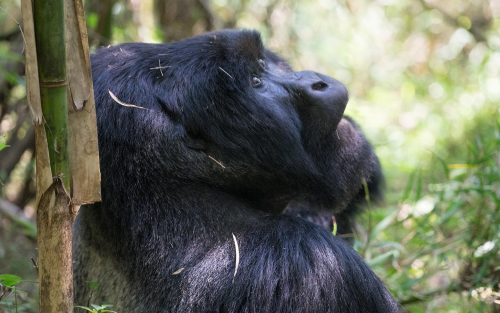
The endangered mountain gorilla is the park’s most celebrated resident and the primary reason many travelers visit Mgahinga. These gentle giants live in close-knit family groups led by a dominant silverback, whose role is to protect the group and guide it in search of food.
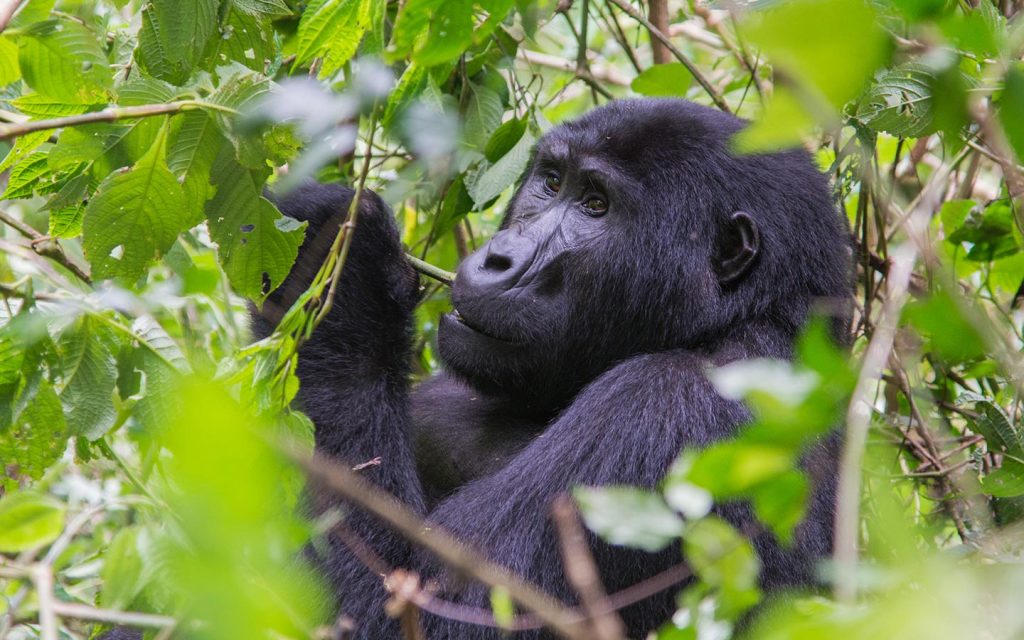
Unlike lowland gorillas, mountain gorillas thrive in cool, high-altitude forests where they feed mainly on leaves, shoots, roots, wild celery, bamboo, and other vegetation. Watching them interact naturally—whether feeding, grooming, playing, or caring for their young—is one of Africa’s most unforgettable wildlife experiences.
Mgahinga Gorilla National Park is home to the Nyakagezi Gorilla Family, a well-habituated group that is renowned for its stability and fascinating social dynamics. Guided gorilla trekking allows visitors to spend one unforgettable hour observing these magnificent primates in their natural habitat while contributing directly to their conservation.
Golden Monkeys
Another remarkable resident of Mgahinga is the endangered golden monkey, a colourful primate found only within the Virunga Mountains. Their striking golden-orange fur, energetic behaviour, and playful nature make them one of the most photogenic animals in Uganda.
Golden monkeys spend much of their day leaping through bamboo forests in search of fresh bamboo shoots, fruits, insects, and leaves. Because they move quickly through the canopy, tracking them offers an exciting and fast-paced wildlife experience that perfectly complements gorilla trekking.
Mgahinga is the only national park in Uganda where visitors can enjoy golden monkey tracking, making it an essential destination for primate enthusiasts.
Other Mammals
Although dense vegetation makes many mammals difficult to spot, Mgahinga supports a healthy population of forest wildlife. Patient visitors may encounter several fascinating species during guided nature walks and hiking excursions.
Some of the mammals recorded in the park include:
- Forest buffalo
- Bushbuck
- Giant forest hog
- Bush pigs
- Black-fronted duiker
- Side-striped jackal
- Spotted hyena (occasionally)
- African civet
- Serval cat
- Forest elephant (rare visitor)
These animals are generally shy and more active during the early morning or evening, making guided walks with experienced rangers the best way to increase your chances of spotting them.
Other Primates
In addition to mountain gorillas and golden monkeys, the park is home to several other primate species that thrive within its montane forests.
Visitors may occasionally see:
- Blue monkeys
- Black-and-white colobus monkeys
- Olive baboons
- Vervet monkeys
These species add to the park’s rich biodiversity and are frequently encountered along forest trails.
Reptiles, Amphibians and Butterflies
The cool mountain environment also supports a variety of reptiles and amphibians, including colourful chameleons, tree frogs, skinks, and geckos. While these creatures are often overlooked, they play an important role in maintaining the park’s delicate ecosystem.
Nature enthusiasts will also appreciate the diversity of butterflies that flutter through forest clearings and flowering plants, especially during the wetter months when insect activity is at its peak.
Birdlife in Mgahinga Gorilla National Park
Bird watching is one of the park’s hidden treasures. With more than 180 recorded bird species, Mgahinga Gorilla National Park is an important birding destination within the Albertine Rift, one of Africa’s richest centres of bird endemism.
The park’s changing altitudes and varied habitats provide excellent opportunities to spot both forest and montane bird species, many of which occur nowhere else in Uganda.
Some of the most sought-after birds include:
- Rwenzori Turaco
- Regal Sunbird
- Dusky Crimsonwing
- Archer’s Robin-Chat
- Rwenzori Batis
- Cinnamon Bracken Warbler
- White-starred Robin
- Olive Pigeon
- Kivu Ground Thrush
- Scarlet-tufted Malachite Sunbird
Birding is rewarding throughout the year, but the wetter months generally offer excellent viewing opportunities as birds become more active and vocal during the breeding season.
A Thriving Mountain Ecosystem
Every species found in Mgahinga Gorilla National Park contributes to a healthy and balanced mountain ecosystem. From the iconic mountain gorillas that browse quietly through bamboo forests to the colourful birds that fill the canopy with song, the park offers visitors an incredible opportunity to experience one of Africa’s most diverse high-altitude environments.
Whether your passion is wildlife photography, bird watching, primate tracking, or simply exploring untouched forests, Mgahinga rewards every visitor with unforgettable encounters in one of Uganda’s most remarkable protected areas.
Golden Monkey Tracking in Mgahinga Gorilla National Park
After gorilla trekking, golden monkey tracking is the second most popular activity in Mgahinga Gorilla National Park. This exciting primate experience takes visitors deep into the park’s bamboo forests in search of one of Africa’s rarest and most colourful monkey species.
Golden monkeys are found only in the Virunga Mountains, making Mgahinga one of the few places in the world where you can observe them in their natural habitat. Their striking golden-orange fur, expressive faces, and playful behaviour make them a favourite among wildlife photographers and nature enthusiasts.
Unlike mountain gorillas, golden monkeys are constantly on the move. They leap effortlessly between bamboo stems and tree branches, creating a lively and energetic trekking experience that is both entertaining and rewarding.
Meet the Endangered Golden Monkey
The golden monkey is an endangered subspecies of the blue monkey and is endemic to the Albertine Rift region. It thrives in the bamboo forests of the Virunga Mountains, where it feeds mainly on young bamboo shoots, fruits, leaves, flowers, insects, and small invertebrates.
These highly social primates live in large troops that may include dozens of individuals. Watching them interact is fascinating as they groom one another, care for their young, and move through the forest with remarkable speed and agility.
Because they spend much of their time in the bamboo zone, sightings are generally excellent, giving visitors outstanding opportunities for wildlife photography.
What to Expect During Golden Monkey Tracking
Your adventure begins at the Ntebeko Visitor Centre, where Uganda Wildlife Authority guides conduct a briefing before leading visitors into the forest.
The trek is usually less demanding than gorilla trekking and often lasts between two and four hours, depending on the monkeys’ location. Once the troop is found, visitors are allowed to spend one hour observing and photographing these fascinating primates.
The experience is suitable for most fitness levels, making it an excellent option for families, older travellers, and anyone looking for a shorter but equally memorable forest adventure.
Golden Monkey Habituation Experience
For travellers seeking a more immersive wildlife encounter, Mgahinga also offers the Golden Monkey Habituation Experience.
Unlike the standard trek, which allows one hour with the monkeys, this special activity gives visitors up to four hours alongside researchers, rangers, and trackers as they follow a troop that is becoming accustomed to human presence.
During the experience, you’ll gain deeper insight into golden monkey behaviour, communication, feeding habits, social interactions, and the conservation work that helps protect this endangered species.
The habituation experience is ideal for wildlife enthusiasts, photographers, researchers, and visitors who want to spend more time in the forest.
Golden Monkey Tracking vs Gorilla Trekking
Many visitors wonder whether they should choose gorilla trekking or golden monkey tracking. The good news is that in Mgahinga Gorilla National Park, you can easily enjoy both experiences during the same safari.
Here’s how they compare:
| Golden Monkey Tracking | Gorilla Trekking |
|---|---|
| Easier and shorter hikes | Can be longer and more physically demanding |
| Observe lively monkey troops | Spend time with a mountain gorilla family |
| Excellent for action photography | Incredible close-up wildlife encounters |
| Ideal for most fitness levels | Requires moderate fitness |
| Perfect as a second primate experience | Uganda’s premier wildlife activity |
Together, these activities provide a fascinating look at two of the Virunga Mountains’ most iconic primates.
Best Time for Golden Monkey Tracking
Golden monkey tracking is available throughout the year, but the dry seasons generally provide the most comfortable trekking conditions.
The best months include:
- June to September
- December to February
During these months, forest trails are usually drier and easier to navigate, making photography and hiking more enjoyable.
However, the rainy seasons also have their advantages. The forest becomes lush and vibrant, bamboo shoots are plentiful, and the scenery is especially beautiful. Since golden monkeys remain active year-round, successful sightings are common in every season.
Tips for a Successful Golden Monkey Trek
To make the most of your experience, consider the following tips:
- Wear sturdy hiking boots with good grip.
- Dress in long trousers and a long-sleeved shirt to protect against scratches and insects.
- Carry a lightweight rain jacket, as mountain weather can change quickly.
- Bring plenty of drinking water.
- Pack a camera with a fast shutter speed, as the monkeys move quickly through the forest.
- Follow your guide’s instructions and avoid making sudden movements or loud noises.
Hiring a local porter is also a great way to support nearby communities while making your trek more comfortable.
Why You Should Include Golden Monkey Tracking in Your Safari
Golden monkey tracking perfectly complements gorilla trekking and adds another unforgettable wildlife experience to your Uganda safari. The colourful monkeys, beautiful bamboo forests, and relaxed pace of the trek offer a completely different perspective on the biodiversity of the Virunga Mountains.
For travellers who want to experience everything Mgahinga Gorilla National Park has to offer, combining gorilla trekking with golden monkey tracking creates an exceptional primate adventure that few destinations in Africa can match.
Volcano Hiking in Mgahinga Gorilla National Park
Beyond its famous primates, Mgahinga Gorilla National Park is a paradise for hikers and adventure seekers. The park is home to three magnificent extinct volcanoes that form part of the Virunga Mountain Range: Mount Muhabura, Mount Gahinga, and Mount Sabyinyo.
Each mountain offers a completely different hiking experience, from gentle forest walks to demanding summit climbs. Along the way, hikers pass through bamboo forests, Afro-montane woodlands, heath vegetation, and alpine moorlands while enjoying spectacular views of Uganda, Rwanda, and the Democratic Republic of the Congo.
Whether you’re an experienced trekker or simply looking for a memorable day hike, the Virunga volcanoes offer some of the most rewarding mountain adventures in East Africa.
Hiking Mount Muhabura
Standing at 4,127 metres (13,540 feet) above sea level, Mount Muhabura is the highest of the three volcanoes found within Mgahinga Gorilla National Park. Its name means “The Guide”, reflecting its prominence and the way it has long served as a landmark for travellers in the region.
The hike to the summit is physically demanding, with steep sections that require good fitness and determination. However, those who reach the top are rewarded with breathtaking panoramic views of the Virunga Mountains, Lake Edward, Bwindi Impenetrable National Park, and, on clear days, the distant Rwenzori Mountains.
Quick Facts
- Altitude: 4,127 metres
- Hiking duration: 7–9 hours
- Difficulty: Challenging
- Best for: Experienced hikers and adventurous travellers
Hiking Mount Gahinga
At 3,474 metres (11,398 feet), Mount Gahinga is the smallest of the three volcanoes but remains one of the park’s most scenic hikes.
The trail passes through dense bamboo forests before emerging into beautiful alpine vegetation. Near the summit lies a picturesque swamp-filled crater, surrounded by giant lobelias and other high-altitude plants that create an almost otherworldly landscape.
Compared to Mount Muhabura, this hike is less strenuous and is ideal for visitors looking for a rewarding mountain experience without an extremely demanding climb.
Quick Facts
- Altitude: 3,474 metres
- Hiking duration: 5–7 hours
- Difficulty: Moderate
- Best for: Nature lovers, photographers, and first-time volcano hikers
Hiking Mount Sabyinyo
Mount Sabyinyo is perhaps the most iconic volcano in Mgahinga Gorilla National Park. Rising to 3,669 metres (12,037 feet), its jagged peaks resemble worn teeth, giving rise to its local name, which means “Old Man’s Teeth.”
The hike is both exciting and physically demanding, featuring steep ridges, wooden ladders, and narrow paths that add a sense of adventure. One of the most remarkable highlights is reaching the summit, where the borders of Uganda, Rwanda, and the Democratic Republic of the Congo meet.
Standing at this unique tri-border point is an unforgettable experience and one of the few places in the world where you can step between three countries in just a few moments.
Quick Facts
- Altitude: 3,669 metres
- Hiking duration: 7–8 hours
- Difficulty: Challenging
- Best for: Adventure seekers and experienced hikers
Wildlife Along the Hiking Trails
Volcano hiking is not just about reaching the summit. The trails themselves provide excellent opportunities to observe the park’s rich biodiversity.
Depending on the route and time of year, hikers may encounter:
- Golden monkeys
- Blue monkeys
- Black-and-white colobus monkeys
- Bushbuck
- Forest birds
- Colourful butterflies
- Giant lobelias
- Giant senecios
The ever-changing scenery also makes these hikes particularly rewarding for photographers and birdwatchers.
What to Pack for Volcano Hiking
Preparing properly will make your hike safer and more enjoyable.
We recommend bringing:
- Sturdy hiking boots with good ankle support.
- Long trousers and a moisture-wicking long-sleeved shirt.
- A waterproof rain jacket.
- Warm clothing for the summit.
- A hat and sunscreen.
- Gardening gloves for steep or rocky sections.
- At least two litres of drinking water.
- Energy snacks or a packed lunch.
- A camera or binoculars.
- A small backpack for personal items.
Hiring a porter is highly recommended, especially for the longer hikes. Besides making the climb easier, hiring a porter provides valuable income to local communities living around the park.
Best Time for Volcano Hiking
The volcanoes can be climbed throughout the year, but the dry seasons generally provide the best hiking conditions.
The most popular months are:
- June to September
- December to February
During these periods, trails are usually drier and visibility is often excellent, making it easier to enjoy the spectacular mountain scenery.
Even during the rainy seasons, hikes remain possible. The forests become lush and vibrant, although trails can be steeper and more slippery, requiring extra care.
Why Hike the Virunga Volcanoes?
Volcano hiking in Mgahinga Gorilla National Park offers far more than a physical challenge. It is an opportunity to experience ancient volcanic landscapes, diverse ecosystems, and breathtaking scenery that few places in Africa can match.
Whether you choose the demanding ascent of Mount Muhabura, the scenic beauty of Mount Gahinga, or the thrilling ridges of Mount Sabyinyo, each climb promises unforgettable memories and a deeper appreciation of Uganda’s extraordinary natural heritage.
Batwa Trail Experience
A visit to Mgahinga Gorilla National Park is not complete without experiencing the Batwa Trail, a cultural journey that introduces visitors to the history, traditions, and way of life of the Batwa people. Often referred to as the “Keepers of the Forest,” the Batwa lived in the forests of the Virunga Mountains for thousands of years before the area was gazetted as a national park in 1991.
Today, the Batwa Trail offers an opportunity to learn directly from Batwa guides who share their remarkable knowledge of the forest while preserving their cultural heritage for future generations.
Who Are the Batwa?
The Batwa are among the oldest indigenous communities in Central and East Africa. For centuries, they lived as hunter-gatherers, relying on the forest for food, medicine, shelter, and spiritual practices.
Their intimate understanding of nature allowed them to survive in harmony with the forest without degrading its resources. Every tree, plant, animal, and cave held cultural or spiritual significance, and this deep connection to the land remains central to Batwa identity today.
When Mgahinga Gorilla National Park was established to protect endangered mountain gorillas and other wildlife, the Batwa left their ancestral home. Although this brought significant challenges, community tourism has created new opportunities for them to share their traditions, generate income, and keep their culture alive.
What to Expect on the Batwa Trail
The Batwa Trail is led by Batwa guides, whose personal stories and first-hand knowledge make the experience both authentic and deeply moving.
As you walk through the forest, you’ll discover how the Batwa once lived, hunted, gathered food, and used natural resources sustainably. Along the trail, guides demonstrate traditional survival skills that have been passed down through generations.
Highlights of the experience include:
- Learning traditional hunting techniques.
- Discovering medicinal plants used to treat common illnesses.
- Visiting ancient forest shelters.
- Watching demonstrations of fire-making using natural materials.
- Listening to stories about Batwa beliefs and customs.
- Enjoying traditional songs, dances, and storytelling.
These demonstrations provide a fascinating glimpse into a way of life that has largely disappeared but continues to shape the cultural identity of the region.
Explore the Historic Garama Cave
One of the highlights of the Batwa Trail is a visit to Garama Cave, a large lava tube formed by ancient volcanic activity.
The cave once served as an important refuge and meeting place for the Batwa community. During the guided visit, you’ll hear stories about how families sought shelter here, held cultural ceremonies, and used the cave as a place of protection during times of conflict.
The dramatic setting, combined with traditional storytelling and music, creates one of the most memorable cultural experiences in southwestern Uganda.
Supporting Local Communities
Participating in the Batwa Trail is more than a cultural activity—it is a meaningful way to support local livelihoods.
A significant portion of the proceeds from the experience helps create employment for Batwa guides, performers, and artisans while supporting community development initiatives. Tourism also encourages younger generations to preserve their language, traditions, music, and storytelling for the future.
By joining the Batwa Trail, visitors contribute directly to sustainable tourism that benefits both people and conservation.
Why Include the Batwa Trail in Your Safari?
The Batwa Trail adds a unique cultural dimension to any visit to Mgahinga Gorilla National Park. While gorilla trekking and golden monkey tracking showcase the park’s extraordinary wildlife, the Batwa experience reveals the human history that is equally woven into these ancient forests.
Many travellers describe the Batwa Trail as one of the most inspiring parts of their safari because it offers genuine interactions with local people and a deeper appreciation of the relationship between conservation, culture, and community.
Combining wildlife encounters with the Batwa Trail creates a richer, more balanced safari experience—one that celebrates both the natural and cultural heritage of the Virunga Mountains.
Bird Watching in Mgahinga Gorilla National Park
Although Mgahinga Gorilla National Park is best known for gorilla trekking and golden monkey tracking, it is also one of Uganda’s finest birding destinations. With more than 180 recorded bird species, including several Albertine Rift endemics, the park attracts birdwatchers from around the world who are eager to spot species found in very few places on Earth.
The park’s varied habitats—from bamboo forests and Afro-montane woodlands to heath vegetation and volcanic slopes—support an impressive diversity of birds throughout the year. Whether you are an experienced birder or simply enjoy observing wildlife, a guided birding excursion in Mgahinga offers an unforgettable experience.
Albertine Rift Endemic Birds
Mgahinga Gorilla National Park lies within the Albertine Rift, one of Africa’s most important biodiversity hotspots. This region is renowned for its high concentration of endemic bird species, making it a must-visit destination for serious birdwatchers.
Some of the most sought-after species include:
- Rwenzori Turaco
- Regal Sunbird
- Dusky Crimsonwing
- Archer’s Robin-Chat
- Rwenzori Batis
- Kivu Ground Thrush
- Cinnamon Bracken Warbler
- White-starred Robin
- Olive Pigeon
- Scarlet-tufted Malachite Sunbird
Many of these birds are rarely seen outside the Albertine Rift, making every sighting particularly rewarding.
Best Birding Areas in the Park
Several trails within Mgahinga Gorilla National Park provide excellent birding opportunities.
The Gorge Trail, which connects Mount Gahinga and Mount Sabyinyo, is especially productive for forest birds and offers spectacular views of the surrounding volcanoes.
The bamboo forests are ideal for spotting golden monkeys as well as numerous forest bird species, while the higher-altitude trails leading up the volcanoes provide opportunities to observe birds adapted to montane and alpine environments.
Early morning excursions are generally the most productive, as birds are most active shortly after sunrise.
Best Time for Bird Watching
Bird watching is rewarding throughout the year, but each season offers different advantages.
During the wet seasons (March to May and October to November), many birds are breeding, becoming more vocal and easier to locate. The forests are lush, and migrant species may also be present.
The dry seasons (June to September and December to February) provide easier walking conditions, making it more comfortable to explore the park’s birding trails.
Regardless of when you visit, experienced guides can help you identify both resident and seasonal species.
Tips for Birdwatchers
To make the most of your birding adventure, consider the following recommendations:
- Start your birding walk early in the morning.
- Carry a good pair of binoculars.
- Bring a camera with a telephoto lens if you enjoy bird photography.
- Wear neutral-coloured clothing to avoid disturbing wildlife.
- Walk quietly and follow your guide’s instructions.
- Carry a field guide or bird identification app if you enjoy recording your sightings.
Hiring a knowledgeable local bird guide can significantly improve your chances of spotting some of the park’s more elusive endemic species.
Combine Bird Watching with Other Activities
One of the advantages of visiting Mgahinga Gorilla National Park is that bird watching can easily be combined with other experiences. Many visitors enjoy birding while hiking the Virunga volcanoes, taking guided nature walks, or travelling to and from gorilla trekking areas.
This combination makes Mgahinga an excellent destination for travellers who want to experience wildlife beyond the famous mountain gorillas.
Why Birders Should Visit Mgahinga
For anyone interested in the rich birdlife of the Albertine Rift, Mgahinga Gorilla National Park is an outstanding destination. Its diverse habitats, scenic mountain landscapes, and impressive collection of endemic birds create rewarding opportunities for both casual birdwatchers and dedicated birding enthusiasts.
Whether you hope to add rare species to your life list or simply enjoy the sights and sounds of Uganda’s mountain forests, bird watching in Mgahinga Gorilla National Park is an experience that deserves a place on every nature lover’s itinerary.
Guided Nature Walks in Mgahinga Gorilla National Park
While gorilla trekking and volcano hiking are the park’s headline attractions, guided nature walks offer a slower and more immersive way to experience the beauty of Mgahinga Gorilla National Park. Accompanied by experienced Uganda Wildlife Authority guides, these walks reveal the park’s remarkable biodiversity, scenic landscapes, and hidden natural treasures that many visitors would otherwise miss.
Nature walks are suitable for visitors of different fitness levels and can easily be added to a gorilla trekking or golden monkey tracking itinerary.
Explore the Park on Foot
Walking through Mgahinga’s forests allows you to appreciate the smaller details that are often overlooked during other activities. Along the trails, your guide will point out indigenous trees, medicinal plants, colourful butterflies, unique fungi, and animal tracks while explaining how each contributes to the park’s delicate ecosystem.
The peaceful surroundings also provide excellent opportunities to enjoy the sights and sounds of the forest without rushing.
Popular Nature Walking Trails
Mgahinga Gorilla National Park offers several well-established walking trails, each showcasing different habitats and scenery.
The Gorge Trail
The Gorge Trail is one of the park’s most scenic walks, winding between Mount Gahinga and Mount Sabyinyo. This trail is especially popular with birdwatchers thanks to its rich birdlife and beautiful forest setting.
Visitors may also encounter golden monkeys, bushbuck, and other forest wildlife while enjoying spectacular views of the surrounding volcanoes.
Border Trail
The Border Trail follows part of the Uganda–Democratic Republic of the Congo boundary and offers impressive views across the Virunga landscape. It’s an excellent choice for visitors interested in photography, bird watching, and learning more about the region’s unique geography.
Sabinyo Gorge Area
The lower slopes around Mount Sabyinyo feature peaceful forest trails where visitors can experience bamboo forests, montane vegetation, and a variety of wildlife without undertaking a full-day volcano hike.
Wildlife You May Encounter
Although sightings can never be guaranteed, guided nature walks often reveal a surprising variety of wildlife.
Depending on the trail and season, you may see:
- Golden monkeys
- Blue monkeys
- Black-and-white colobus monkeys
- Bushbuck
- Forest birds
- Chameleons
- Butterflies
- Colourful wildflowers
Even when larger mammals remain hidden, the forest itself provides a rewarding experience filled with fascinating plants, insects, and birdlife.
Why Choose a Guided Nature Walk?
Nature walks offer a different perspective on Mgahinga Gorilla National Park. Instead of focusing on a single wildlife encounter, they allow visitors to appreciate the park’s rich ecosystems, breathtaking scenery, and incredible biodiversity at a relaxed pace.
Whether you have already completed a gorilla trek or simply want to spend more time exploring the Virunga Mountains, a guided nature walk is a rewarding addition to any safari itinerary.
Best Time to Visit Mgahinga Gorilla National Park
Mgahinga Gorilla National Park is open to visitors throughout the year, and every season offers a unique safari experience. Whether your priority is gorilla trekking, golden monkey tracking, bird watching, or volcano hiking, choosing the right time to visit depends on your interests and travel preferences.
Dry Season (June to September and December to February)
The dry season is widely considered the best time to visit Mgahinga Gorilla National Park. During these months, rainfall is generally lower, making forest trails less muddy and easier to navigate.
This is the ideal time for:
- Gorilla trekking
- Golden monkey tracking
- Volcano hiking
- Guided nature walks
- Wildlife photography
The clearer skies also provide spectacular views of the Virunga Mountains, making this the busiest period of the year. If you plan to travel during the dry season, it’s advisable to book your gorilla permits and accommodation well in advance.
Wet Season (March to May and October to November)
The rainy season transforms Mgahinga into a lush green paradise. Although hiking trails can become slippery, the scenery is incredibly beautiful, with vibrant vegetation and fewer visitors in the park.
This season is particularly rewarding for:
- Bird watching, especially during the breeding season
- Landscape photography
- Visitors seeking a quieter safari experience
With fewer tourists, accommodation availability is generally better, and some lodges may offer attractive seasonal rates.
Weather and Climate
Because of its high altitude, Mgahinga Gorilla National Park enjoys a cool mountain climate throughout the year.
Average daytime temperatures range between 9°C and 20°C, while evenings and early mornings can be quite chilly, particularly at higher elevations. Rain is possible at any time of year, so visitors should always pack waterproof clothing and sturdy hiking boots.
Our Recommendation
If your main goal is gorilla trekking or volcano hiking, we recommend visiting during the dry months of June to September or December to February.
However, if you enjoy lush landscapes, excellent bird watching, and a quieter atmosphere, the wet seasons can be equally rewarding. Regardless of when you visit, Mgahinga Gorilla National Park offers unforgettable wildlife encounters and breathtaking mountain scenery.
Where to Stay Near Mgahinga Gorilla National Park
Mgahinga Gorilla National Park offers accommodation for every budget, from comfortable guesthouses to luxury safari lodges with spectacular views of the Virunga volcanoes. Most lodges are located near the Ntebeko Park Gate or in and around Kisoro Town, providing convenient access to gorilla trekking and other park activities.
Luxury Lodges
Travellers seeking exceptional comfort, personalised service, and stunning scenery can choose from several luxury properties near the park.
Popular luxury options include:
- Mount Gahinga Lodge
- Clouds Mountain Gorilla Lodge
- Chameleon Hill Lodge
These lodges offer spacious cottages, fine dining, beautiful gardens, and excellent service, making them ideal for honeymooners, photographers, and travellers looking for an exclusive safari experience.
Mid-range Lodges
Mid-range accommodation provides an excellent balance between comfort and affordability.
Popular choices include:
- Lake Mulehe Safari Lodge
- Travellers Rest Hotel
- Ichumbi Hotel Kisoro
These properties feature comfortable rooms, quality meals, friendly hospitality, and easy access to the park.
Budget Accommodation
Budget-conscious travellers will also find several clean and comfortable guesthouses around Kisoro and the park entrance.
These accommodations are ideal for backpackers, students, solo travellers, and anyone looking to experience Mgahinga without exceeding their travel budget.
Which Lodge Should You Choose?
The best accommodation depends on your travel style, budget, and itinerary. At Outback Adventure Safaris, we carefully select lodges based on comfort, location, service quality, and value for money, ensuring every guest enjoys a memorable stay before and after exploring Mgahinga Gorilla National Park.
How to Get to Mgahinga Gorilla National Park
Despite its remote mountain setting, Mgahinga Gorilla National Park is easily accessible by both road and air.
By Road
The journey from Kampala or Entebbe takes approximately 9 to 10 hours, passing through beautiful countryside, rolling hills, tea plantations, and traditional villages before reaching Kisoro District.
Many visitors combine the drive with stops at the Equator, Lake Mburo National Park, or Lake Bunyonyi to break up the journey and enjoy additional sightseeing opportunities.
The park is also easily reached from nearby Bwindi Impenetrable National Park, making it simple to include both destinations in one safari.
By Air
For travellers who prefer a shorter journey, domestic scheduled and charter flights operate between Entebbe International Airport and Kisoro Airstrip.
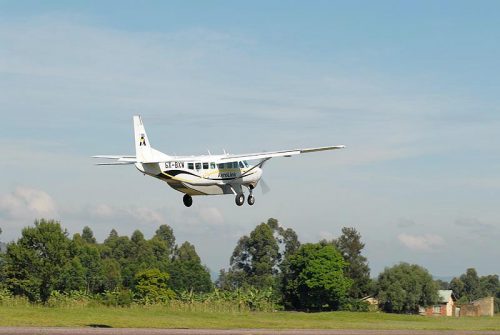
Upon arrival, it is a short scenic drive to the park and nearby lodges, allowing visitors to maximise their time exploring rather than travelling.
Flying is especially popular among luxury travellers and those with limited time in Uganda.
From Rwanda
One of Mgahinga’s greatest advantages is its proximity to Rwanda.
From Kigali, the drive to the park takes approximately 4 to 5 hours, making it an excellent option for international visitors arriving through Kigali International Airport. This route has become increasingly popular because it significantly reduces travel time while offering beautiful scenery along the way.
Gorilla Permits and Park Information
Planning ahead is essential when visiting Mgahinga Gorilla National Park, especially if you intend to participate in gorilla trekking or golden monkey tracking. Some activities require advance permits, and availability can be limited during the peak travel seasons.
Gorilla Trekking Permits
Every visitor wishing to trek mountain gorillas must obtain a valid gorilla trekking permit issued by the Uganda Wildlife Authority (UWA).
Because only a limited number of permits are available each day, we strongly recommend booking several months in advance, particularly if you plan to travel during the dry seasons between June and September or December and February.
As an authorised safari operator, Outback Adventure Safaris can secure your gorilla permits, organise your accommodation, arrange transportation, and handle every aspect of your safari, allowing you to enjoy a smooth and stress-free experience.
Golden Monkey Permits
Golden monkey tracking also requires a permit, while visitors interested in the Golden Monkey Habituation Experience need a separate permit for that activity.
Just like gorilla permits, availability may be limited during busy travel periods, so advance booking is highly recommended.
Park Entry Requirements
Visitors entering Mgahinga Gorilla National Park should carry:
- A valid passport or national identification document.
- Their activity permit where applicable.
- Comfortable hiking clothing and sturdy walking boots.
- Waterproof gear, as mountain weather can change quickly.
- Drinking water and personal essentials for activities within the park.
Your safari guide will brief you before each activity to ensure you are fully prepared.
Let Outback Adventure Safaris Handle the Planning
Organising a safari involves much more than booking permits. Our experienced team can arrange:
- Gorilla trekking permits.
- Golden monkey tracking permits.
- Accommodation for every budget.
- Private safari vehicles with professional driver-guides.
- Airport transfers.
- Domestic flights.
- Tailor-made Uganda and Rwanda safari itineraries.
From your first enquiry until the end of your journey, we are committed to making your safari enjoyable, seamless, and unforgettable.
Plan Your Safari to Mgahinga Gorilla National Park
Whether you dream of standing face to face with endangered mountain gorillas, photographing playful golden monkeys, climbing the majestic Virunga volcanoes, or discovering the remarkable heritage of the Batwa people, Mgahinga Gorilla National Park promises an adventure unlike any other.
At Outback Adventure Safaris, we are passionate about creating unforgettable journeys that showcase the very best of Uganda. From securing permits and selecting the perfect lodge to providing experienced guides and comfortable transportation, we take care of every detail so you can focus on making lifelong memories.
Whether you’re planning a short gorilla trekking holiday, a luxury safari, a bird-watching expedition, or a multi-country adventure through Uganda and Rwanda, our team is ready to design an itinerary tailored to your interests, schedule, and budget.
Contact Outback Adventure Safaris today and let us help you plan an unforgettable journey to Mgahinga Gorilla National Park—where breathtaking landscapes, extraordinary wildlife, and authentic cultural experiences come together to create the safari of a lifetime.
Is Mgahinga Gorilla National Park worth visiting?
Absolutely. Although it is Uganda’s smallest national park, Mgahinga offers an exceptional combination of mountain gorilla trekking, golden monkey tracking, volcano hiking, bird watching, and authentic Batwa cultural experiences within the spectacular Virunga Mountains.
Which is better: Mgahinga or Bwindi?
Both parks offer unforgettable gorilla trekking experiences. Bwindi Impenetrable National Park has several habituated gorilla families and a wider range of trekking sectors, while Mgahinga provides a quieter experience, stunning volcanic scenery, and the unique opportunity to combine gorilla trekking with golden monkey tracking.
How many gorilla families are in Mgahinga Gorilla National Park?
The park is home to the famous Nyakagezi Gorilla Family, the only habituated gorilla group available for tourism in Mgahinga.
How difficult is gorilla trekking?
The difficulty varies depending on the location of the gorillas on the day of your trek. Some hikes are relatively easy, while others involve several hours of walking through steep and sometimes muddy terrain. A moderate level of fitness is recommended.
Can I go gorilla trekking and golden monkey tracking on the same safari?
Yes. Many visitors spend two or three days in Mgahinga Gorilla National Park, allowing enough time to enjoy both activities.
What should I pack for my visit?
We recommend sturdy hiking boots, long trousers, a long-sleeved shirt, a waterproof jacket, gardening gloves, sunscreen, insect repellent, drinking water, snacks, and a camera.
Is Mgahinga Gorilla National Park safe?
Yes. The park is managed by the Uganda Wildlife Authority, and all activities are conducted under the supervision of experienced ranger guides who prioritise visitor safety and wildlife conservation.
How long should I spend in Mgahinga Gorilla National Park?
A stay of two to three days is ideal. This allows enough time for gorilla trekking, golden monkey tracking, a Batwa cultural experience, and at least one guided nature walk or volcano hike.
Can children participate in gorilla trekking?
Visitors must be at least 15 years old to participate in gorilla trekking. However, younger visitors can enjoy other family-friendly activities around the park.
Can Mgahinga be combined with other destinations?
Yes. Mgahinga is frequently combined with Bwindi Impenetrable National Park, Lake Bunyonyi, Queen Elizabeth National Park, Kibale National Park, or Rwanda’s Volcanoes National Park to create a longer and more diverse East African safari.
Custom Uganda Safaris
Can be adjusted to fit your travel needs. All inclusive African Safaris
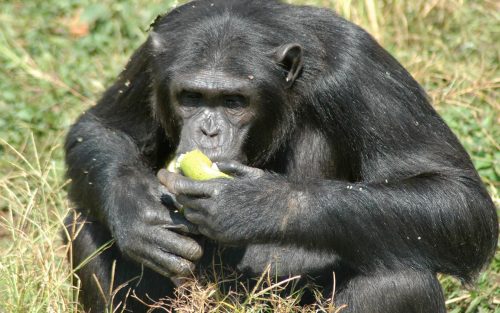
Uganda Gorillas & Chimp Habituation Safari
Track Uganda’s Gorillas and take on the habituation of chimpanzee in Kibale forest
5 Days, 4 Nights
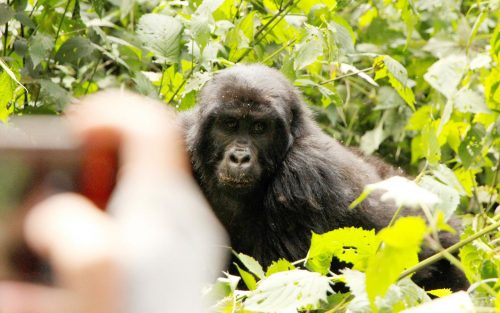
Uganda Gorilla & Golden Monkey Tracking Tour
The Golden monkey tracking experience in Mgahinga National Park.
4 Days, 3 Nights
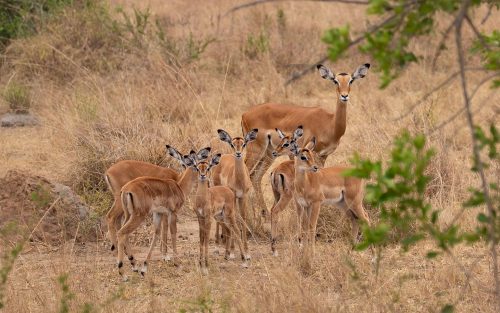
Uganda Primate Tracking & Game Safari
Track the primates of Uganda, gorillas & chimps and also take a wildlife game drive.
8 Days, 7 Nights
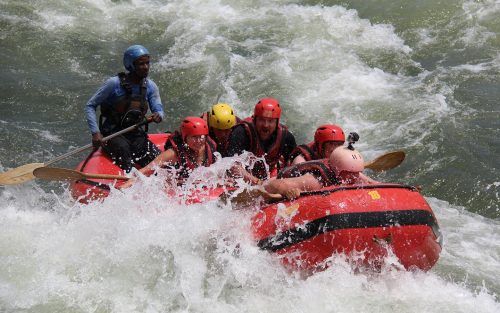
Exclusive All Around Uganda Safari & Adventure
A 25 Day African safari around the pearl of Africa, Uganda, from Savanna to rainforest jungle
25 Days, 24 Nights
Uganda Gorilla Habituation and Lake Bunyonyi Tour
Far better than 60 minutes of gorilla tracking, Gorilla Habituation Experience gives you more.
4 Days, 3 Nights

Uganda Double Gorilla Trekking Tour
You’ll be tracking Uganda’s Mountain Gorillas in Bwindi twice, if you can handle the excitement.
4 Days, 3 Nights
Uganda Double Gorilla Habituation Experience Tour
Go on an expeditions with researchers in the Bwindi jungles to Habituation a family of gorillas.
4 Days, 3 Nights
The Ultimate Uganda Safari Experience
Visit the Nile river source, track gorillas and take classic savanna game drive safaris.