Lake Katwe – Uganda’s Unique Salt Lake Experience
Lake Katwe is a hypersaline crater lake located in southwestern Uganda, within the picturesque Queen Elizabeth National Park. It is famous for its centuries-old salt mining; this remarkable lake offers visitors a rare opportunity to witness traditional salt extraction while exploring the dramatic landscapes of volcanic craters.
With no natural outlet, the lake’s water is rich in minerals like sodium and potassium chloride, leading to the formation of crystalline salt deposits that local communities harvest. Visitors can engage with salt miners, learn about age-old techniques, and even try their hand at crafting souvenirs. In addition, the area provides excellent birdwatching opportunities and crater hikes, allowing visitors to combine their experience with a safari in Queen Elizabeth National Park for a complete wildlife and cultural adventure.
What Makes Lake Katwe So Special?
Lake Katwe’s hypersaline waters have made it one of Uganda’s most important natural salt reserves.
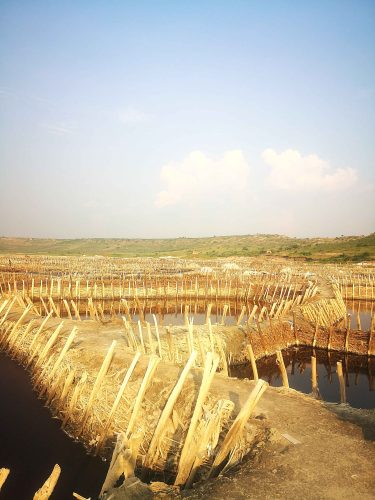
Traditional salt pans at Lake Katwe, where local communities harvest salt using centuries-old mining methods.
The traditional salt mining here has been carried out for centuries, with people of all genders harvesting salt using time‑honored methods that involve evaporation and careful extraction of crystalline salt rocks. Today, this practice continues alongside small‑scale tourism, offering visitors a rare glimpse into authentic community life and human ingenuity.
Experience Local Culture and Traditional Salt Mining
A visit to Lake Katwe brings you face‑to‑face with the daily lives of salt miners and the cultural rhythms of the Katwe community. Guided tours allow you to:
- Watch and participate in traditional salt mining as locals work ponds and pans carved into the lake shore.
- Learn how salt crystals form through intense evaporation during the dry season.
- Hear stories and traditions handed down across generations.
- Support local livelihoods by purchasing handcrafted souvenirs made from salt and minerals.
This cultural encounter is both educational and deeply moving as a chance to see how nature, history, and community intertwine.
Nature Around the Salt Lake
While the lake itself cannot support most aquatic life because of its high salinity, the surrounding wetlands and crater rims attract a surprising variety of bird species, making it a rewarding stop for birdwatchers and nature lovers. Flamingos, African spoonbills, kingfishers, and other waterbirds are often spotted in the area, especially during wetter months.
Best Time to Visit
Lake Katwe is accessible year‑round, but different seasons offer distinct experiences:
- Dry Season (June–September, December–January): Ideal for salt mining tours as evaporation peaks and salt formations are abundant.
- Wet Season (March–May, October–November): Great for birdwatching and enjoying fewer crowds.
Combine with a Queen Elizabeth Safari
Because Lake Katwe is either inside or adjacent to Queen Elizabeth National Park, most travelers combine a visit here with classic safari experiences — including game drives, Kazinga Channel boat cruises, and wildlife viewing across the park’s diverse ecosystems. This creates a full‑day itinerary blending culture, geology, wildlife, and photography opportunities.
Where to Stay
Visitors often base themselves within Queen Elizabeth National Park, where a range of accommodations from luxury lodges, mid-range, and budget camps can enhance every part of the safari experience before or after a Lake Katwe visit.
Ready to explore Lake Katwe’s salt pans and traditional culture?
Contact us to tailor your safari, combine this with a Queen Elizabeth National Park adventure, and create memories that last a lifetime!
